
How to Choose the Best Roof Coating for Your Building
Last Updated: November 21, 2026
Quick Summary
The best roof coating depends on your roof’s material and condition, so confirm the substrate and check for soft spots, blisters, and failed flashing before buying. Silicone suits flat roofs with ponding water, while acrylic fits pitched, well-drained roofs.
- Silicone coating handles ponding water well; acrylic coating is not recommended for ponding.
- Compare products on installed cost per square foot, not price per gallon.
- Concrete decks need an elastomeric membrane and must be clean, dry, and free of laitance.
- Skipping the second coat to save material is a common reason coatings fail early.
- A non-prorated warranty covers the full term rather than reducing payout over time.
Table of Contents
- How to Match the Best Roof Coating to Your Roof Type and Condition
- Silicone vs Acrylic Roof Coating: How the Two Compare
- The Best Roof Coating for Flat Roofs and Ponding Water
- The Best Roof Coating for Concrete Roof Decks
- Roof Coating Coverage and Lifespan: What to Expect
- Schedule a Roof Inspection With a SureCoat Approved Contractor
- Frequently Asked Questions
How to Match the Best Roof Coating to Your Roof Type and Condition
Finding the best roof coating starts with two questions: what is your roof made of, and what shape is it in? At SureCoat Systems, we tell every building owner the same thing: the coating that performs on a sound modified bitumen roof can fail on a chalky, saturated one. The coating is only half the equation. The surface underneath decides the rest.
Start With What Your Roof Is Made Of
Roof coating compatibility follows the substrate. Built-up and modified bitumen roofs accept most elastomeric coatings, provided the existing surface is clean and sound. Metal roofs need a coating that bonds to seams and fasteners, and rust must be treated first. Concrete decks behave differently again, which is why they get their own section below. A common mistake is ordering coating before confirming the substrate. Check the roof assembly first, then choose the product.
Check Condition Before You Commit
Coating restores a roof; it does not rebuild one. Look for saturated insulation, soft spots underfoot, blisters, and failed flashing before you spend anything on material. Standing water that never drains points to a slope or drain problem that coating alone will not fix. If the deck is wet or the membrane is at the end of its life, restoration is the wrong tool. A roof that is structurally sound but weathered is the ideal candidate. That distinction saves more money than any product comparison.
Silicone vs Acrylic Roof Coating: How the Two Compare
Silicone and acrylic are the two coatings most buyers weigh, and they solve different problems. Silicone coating resists ponding water and holds up under constant sun exposure, which suits flat roofs that drain slowly. Acrylic coating is generally better suited to pitched, well-drained roofs, while silicone is the stronger choice where water sits.
| Factor | Silicone Coating | Acrylic Coating |
|---|---|---|
| Ponding water | Handles it well | Not recommended |
| UV protection | Excellent | Good |
| Adhesion to chalky surfaces | Strong | Needs primer |
| Typical cost | Higher | Lower |
| Best for | Flat roofs, standing water | Sloped, drained roofs |
If you are weighing acrylic against silicone, read the acrylic coating details before you decide, and compare the silicone roof coating system side by side. The choice usually comes down to drainage, not price.
The Best Roof Coating for Flat Roofs and Ponding Water
For flat roofs with ponding water, the best roof coating is a fluid-applied, fully adhered membrane that tolerates standing water rather than one that merely sheds it. Many conventional coatings exclude ponding water from warranty coverage, so it is worth confirming how any warranty treats standing water before you buy.
What Actually Matters on a Ponding Roof
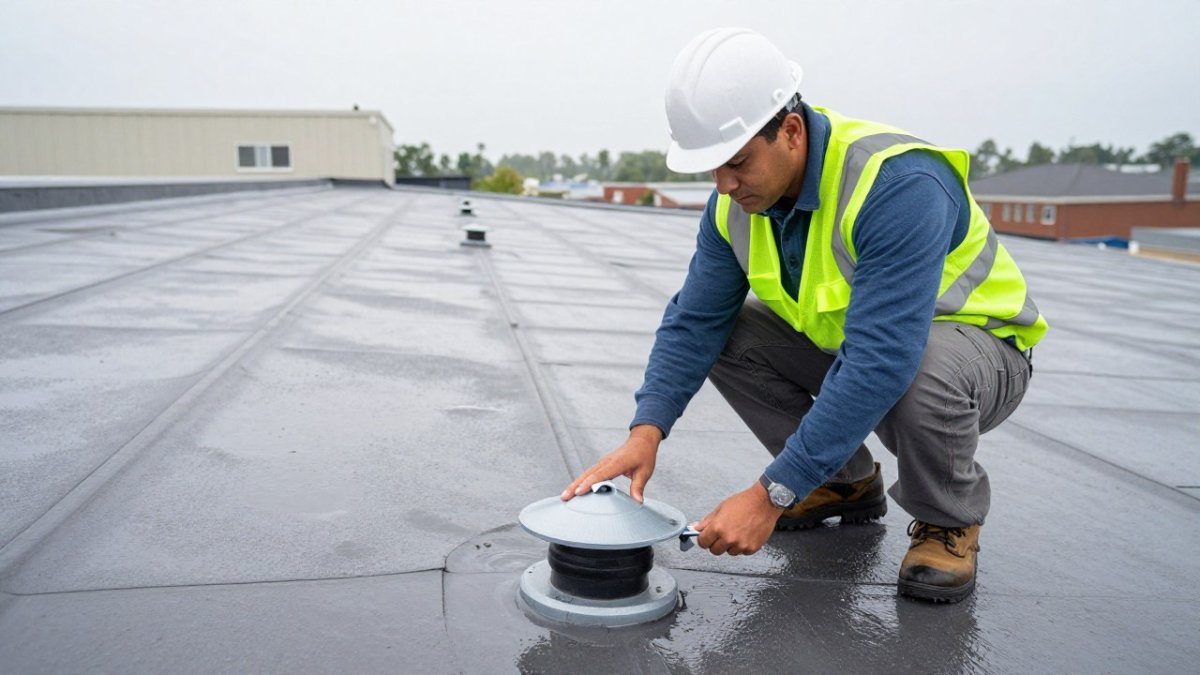
Ponding water stresses a coating in three ways: constant hydrostatic pressure at seams and drains, repeated wet-dry cycling that swells and shrinks the film, and dirt and biological growth that degrade the surface. A coating that handles ponding must bond tightly enough to resist pressure, stay flexible through cycles, and carry a warranty that explicitly names standing water. Warranty language is a useful way to separate products built for ponding from products that merely tolerate occasional puddles.
Compare Like-for-Like, Not Just Price per Gallon
A low price per gallon can hide a higher installed cost. Compare products on installed cost per square foot, which folds in coverage rate, number of coats, primer, reinforcement, and labor. A product that covers more area per gallon at the specified mil thickness may cost less installed even at a higher bucket price.
Watch out: comparing bucket prices without normalizing coverage and coats can lead to a misleading comparison, because a cheaper coating that needs more coats may cost more installed.
Drainage and Roof Design Come First
No coating fixes a roof that cannot drain. Before choosing a product, confirm that drains, scuppers, and gutters are clear and that the roof has enough slope to move water to them. Standing water that never drains points to a slope or drain problem that coating alone will not fix. If ponding is severe, correction of drainage or slope should precede or accompany the coating, or the warranty may exclude the very condition you are trying to solve. Once drainage is sound, the choice of a waterproofing coating can focus on how well it suits a flat roof’s conditions, a distinction worth considering alongside ARRC Ltd.
Where Silicone and Epoxy Hybrid Systems Fit
A fluid-applied epoxy hybrid membrane reinforced with polyester is applied as a seamless, monolithic layer that seals seams, flashings, and drains. The SureCoat Roof System is designed for ponding water conditions, and the manufacturer’s warranty is non-prorated, renewable, and covers ordinary ponding water when an approved contractor installs it to warranty requirements. Browse the flat roof coatings to see the products matched to ponding conditions.
The Best Roof Coating for Concrete Roof Decks
Concrete decks need a coating that bonds to a porous, often alkaline surface and moves with temperature swings. The best roof coating for concrete is an elastomeric membrane with strong adhesion and enough elasticity to bridge hairline cracks instead of cracking alongside them. Surface preparation decides the outcome here.
Watch out: coating over damp concrete traps moisture and causes blistering, so test for moisture before application. The payoff is real. A properly applied membrane can help protect the concrete and reduce water intrusion at seams and drains.
Roof Coating Coverage and Lifespan: What to Expect
Coverage and lifespan are where marketing claims and field reality part ways. Most coatings list a coverage rate per gallon, but that number assumes a smooth, prepared surface and the full number of coats. Rough or porous roofs absorb far more material, so always buy against the manufacturer’s stated coverage for your substrate and add a margin.
Coverage per Gallon and Coats Required
Coverage per gallon varies by product and surface texture. A common approach is to calculate the roof area, divide by the manufacturer’s stated coverage, then add extra for a second coat and for porous surfaces. Skipping the second coat to save material is one of the most common reasons coatings fail early. Follow the specified mil thickness, not a guess. When you request quotes, ask for the coverage rate at the required dry mil thickness, the number of coats specified, and whether a primer or reinforcement fabric is required, because those three inputs drive the real material quantity.
Service Life, Warranties, and What Voids Them
Service life depends on coating type, surface prep, and climate, so treat any single lifespan figure with caution. The warranty is the more reliable signal. Read what it covers, whether it is prorated, and what voids it: poor preparation, unapproved applicators, and neglected ponding water are frequent exclusions. A non-prorated warranty means the manufacturer stands behind the full term rather than reducing payout over time; a renewable warranty lets you extend coverage if you maintain the roof. Review the SureCoat Systems warranties to see what coverage includes and what cancels it.
Lifecycle Cost Beats Sticker Price
A transparent comparison looks past the initial price to installed cost, maintenance, and expected service life. Installed cost includes material, primer, reinforcement, and labor. Maintenance includes periodic cleaning and inspection, and any touch-ups the warranty requires. Service life determines how often you repeat that spend. Divide total lifecycle cost by expected service years to get an annual cost you can compare across products.
Watch out: a warranty that excludes ponding water, or that is prorated, can leave you paying for repairs the brochure implied were covered, so read the exclusions before you compare prices.
Schedule a Roof Inspection With a SureCoat Approved Contractor
Choosing a roof coating involves matching the product to your substrate, your drainage, and your roof’s condition, then installing it correctly. An inspection settles the question fast. An approved contractor confirms whether your roof is a restoration candidate, specifies the right system, and installs it to warranty requirements so the coverage actually holds.
A full tear-off is not always necessary for a roof that is a suitable restoration candidate. SureCoat Systems offers a fluid-applied epoxy hybrid membrane, a non-prorated renewable warranty that covers ordinary ponding water, and Energy Star and California Title 24 compliant products. Find out what an approved SureCoat contractor can do for your building.
Frequently Asked Questions
What is the best roof coating for a flat roof with ponding water?
Many warranties exclude ponding water coverage, so check how any warranty treats standing water. If your flat roof holds water for more than 48 hours after rain, look for a coating system whose manufacturer warranty explicitly covers ordinary ponding water, and confirm the installer is approved to issue that warranty.
Is silicone or acrylic roof coating better for my building?
It depends on the roof and the climate. Drainage and ponding history are important factors when comparing silicone and acrylic roof coatings.
How much roof coating do I need per square foot?
Coverage per gallon varies by product and by how porous the existing roof surface is. Calculate from the manufacturer’s published coverage rate at the specified thickness, allow extra material for seams, flashings, and drains, and confirm coats required with your contractor before ordering.
How long does a roof coating last?
Service life depends on the coating chemistry, the number of coats, surface preparation, and exposure. Service life varies with coating chemistry and roof conditions. Lifespan claims on a product label assume correct application and a sound substrate. Ask what the warranty actually covers, whether it is prorated, and whether it excludes standing water, since those terms reveal more about real durability than the advertised year count.