
Last Updated: November 22, 2026
Quick Summary
Commercial roof restoration is covered by commercial insurance only when the damage comes from a sudden, covered peril, not from age or neglect. Commercial property policies generally address sudden damage from named perils such as wind, hail, or a falling object, and typically exclude a roof that has simply worn out.
- Standard commercial property policies usually exclude wear and tear, aging, deterioration, and lack of maintenance.
- Three things trigger a payable claim: a named peril occurred, the damage is sudden, and the damage is documented.
- Filing follows a fixed sequence: report, document, inspect, adjust, and settle.
- Actual cash value pays replacement cost minus depreciation; replacement cost value pays the full cost to restore.
- Schedule a roof inspection with a SureCoat approved contractor before you file a claim.
Table of Contents
- When Commercial Roof Repair Insurance Coverage Applies to Restoration
- How Commercial Roof Storm Damage Insurance Triggers a Claim
- Filing Commercial Roof Insurance Claims Step by Step
- Schedule a Roof Inspection With a SureCoat Approved Contractor
- Frequently Asked Questions
When Commercial Roof Repair Insurance Coverage Applies to Restoration
The short answer: commercial roof restoration is covered by commercial insurance only when the damage comes from a sudden, covered peril, not from age or neglect. Commercial property policies generally address sudden damage from named perils such as wind, hail, or a falling object, and typically exclude a roof that has simply worn out.
That distinction decides almost every claim. An owner may file a claim expecting a full restoration, only to have the adjuster point to years of deferred maintenance. The policy language matters more than the damage itself.
Here is how standard commercial property insurance treats roof claims:
- Covered: sudden and accidental damage from a named peril, like wind, hail, fire, or impact
- Usually excluded: wear and tear, aging, deterioration, and lack of maintenance
- Often disputed: pre-existing damage and ponding water that worsened over time
A policy is a contract, not a maintenance plan. Before you assume restoration is covered, read the exclusions page first. Insurance Information Institute guide to commercial property coverage explains how named-peril and all-risk forms differ.
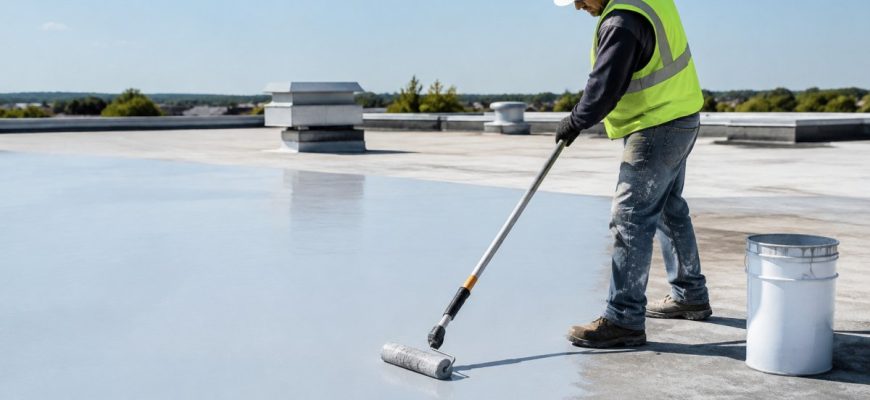
If you want to understand what restoration actually involves before you file, see how fluid-applied roof restoration works and what it protects.
Standard commercial property policies sort roof claims into three buckets.
| Claim status | What it covers |
|---|---|
| Covered | Sudden and accidental damage from a named peril, like wind, hail, fire, or impact |
| Usually excluded | Wear and tear, aging, deterioration, and lack of maintenance |
| Often disputed | Pre-existing damage and ponding water that worsened over time |
How Commercial Roof Storm Damage Insurance Triggers a Claim
A storm claim starts with a covered peril, a date, and proof the damage happened then. Commercial roof storm damage insurance responds when wind, hail, or a similar event causes sudden harm the policy names. The burden is on you to connect the damage to that event. Because the cause of loss and the policy terms both shape a claim, Colstan & Associates can help connect storm damage evidence to the broader protections a business carries.
Three things trigger a payable claim:
- A named peril occurred. Check your policy’s covered causes list.
- The damage is sudden. A storm on a specific date, not a slow leak over years.
- The damage is documented. Photos, dates, and maintenance records.
This is where most claims stall. An adjuster who sees ponding water and worn seams will call it deterioration, not storm damage. Your job is to prove the storm caused it. That means dated photos and a clear before-and-after record.
For hail and wind damage specifically, our hail damage roof repair process shows what a restoration scope looks like after a storm.
Filing Commercial Roof Insurance Claims Step by Step
Filing a commercial roof insurance claim follows a fixed sequence: report, document, inspect, adjust, and settle. Skip a step and you weaken your position. Here is the order we recommend to building owners.
- Report the loss promptly. Notify your insurer in writing and note the date.
- Stop further damage. Make temporary repairs and keep every receipt.
- Photograph everything. Wide shots, close-ups, and a date reference.
- Pull your maintenance records. They prove the roof was cared for.
- Get a contractor estimate. A written scope of work with line items.
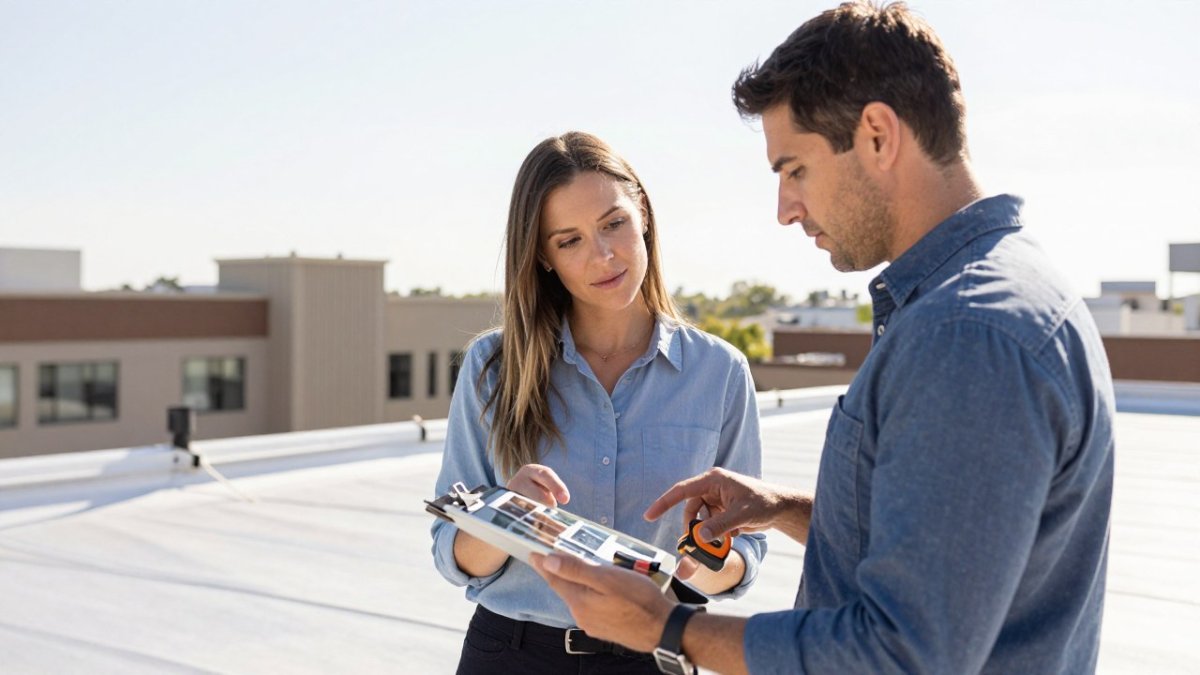
- Meet the adjuster on the roof. Walk the damage together.
- Review the settlement. Compare it to your scope and the policy limit.
Two valuation terms decide what you actually get paid. Actual cash value pays replacement cost minus depreciation (Are there different types of policies?). Replacement cost value pays the full cost to restore. Know which your policy uses before you file.
When you are ready to move from claim to repair, request commercial roof restoration service so the scope matches what you claimed.
Schedule a Roof Inspection With a SureCoat Approved Contractor
An inspection before you file is the single best move an owner can make. A SureCoat approved contractor can document the roof and provide a written scope of work that you can share with your insurer.
SureCoat Systems manufactures a fluid-applied epoxy hybrid membrane for restoring aging commercial and industrial flat roofs. When installed by an approved contractor according to warranty requirements, it is covered by a non-prorated, renewable manufacturer’s material warranty that covers ordinary ponding water.
The next step is simple. Schedule a roof inspection with a SureCoat approved contractor and get a documented assessment before you file.
Storm damage rarely waits for a convenient moment, and neither should your roof. SureCoat Systems helps building owners restore flat and low-slope roofs with a fluid-applied epoxy hybrid membrane, installed by approved contractors under a non-prorated, renewable warranty that covers ordinary ponding water. Get the inspection, the documentation, and the restoration scope your claim needs. Get started with SureCoat Systems and protect your roof before the next storm.
Frequently Asked Questions
Is roof restoration covered by commercial insurance?
It can be, but only when the damage traces to a covered peril such as wind, hail, or a sudden event. Policies typically exclude wear and tear, aging, and lack of maintenance, so a restoration claim built on deterioration will be denied. Review your policy exclusions and document the cause before you file.
Will insurance pay to restore a commercial roof after storm damage?
Many commercial policies cover storm damage, including wind and hail, and will fund restoration or repair up to policy limits after the deductible. Coverage depends on your specific policy language, the cause of loss, and whether the roof was already failing. A contractor inspection and dated photos strengthen the claim.
What documentation should I provide for a commercial roof insurance claim?
Gather dated photographs of the damage, maintenance records, contractor estimates with a clear scope of work, and a professional roof inspection report. Include any temporary repairs and mitigation invoices. This evidence helps the adjuster confirm a covered peril and separate storm damage from pre-existing conditions.